



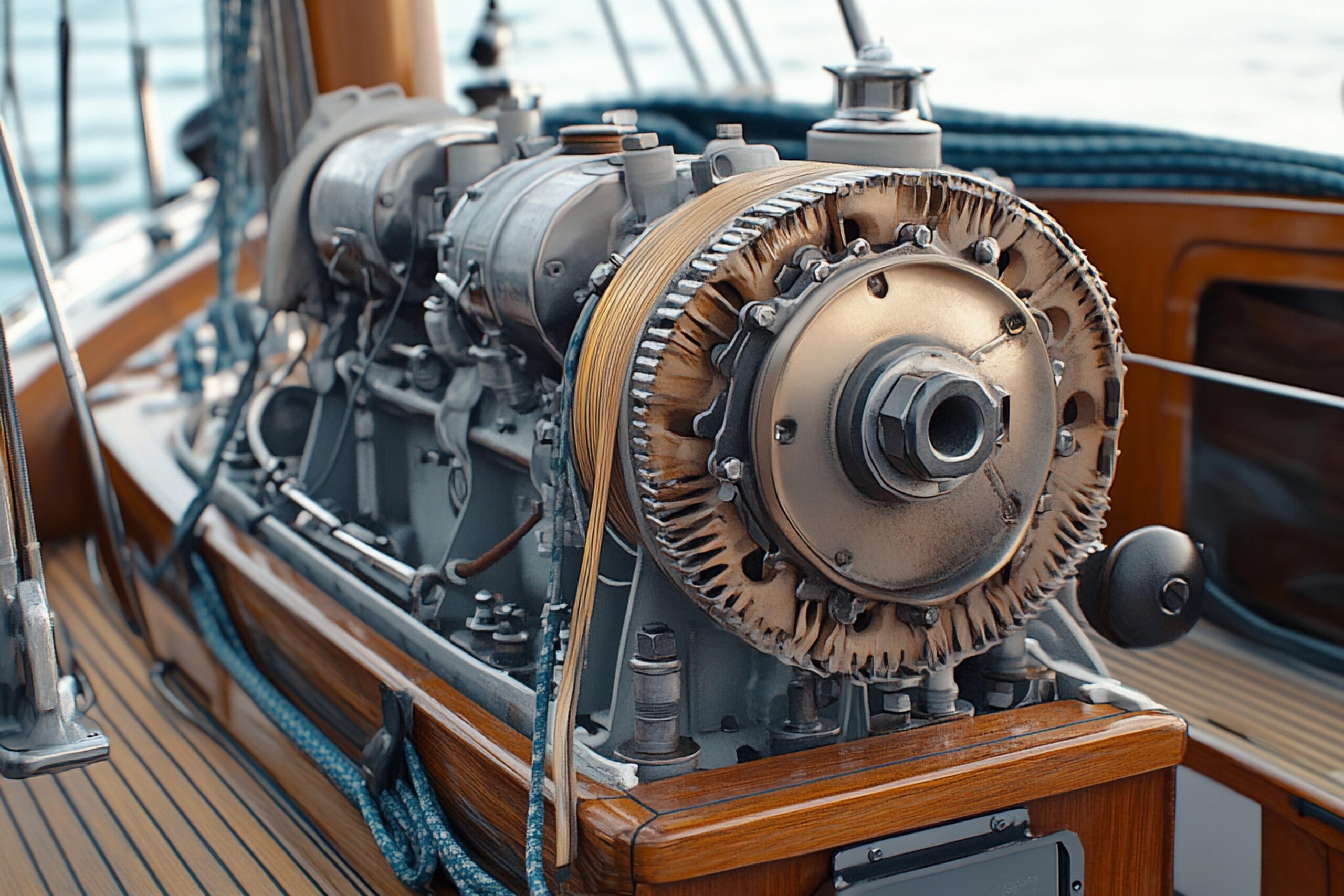
Ship engines
Ship Engines are powerful marine propulsion systems designed to generate thrust and power for vessels, ensuring efficient navigation across oceans, rivers, and lakes. They are used in cargo ships, passenger vessels, fishing boats, and naval fleets.

- Worldwide shipping on all orders
Marine propulsion engines come in diesel, gas turbine, steam, and hybrid-electric models. Therefore, shipbuilders can choose the best option for their vessel type and operational needs. Moreover, these engines are built to deliver performance across commercial, defense, and passenger ships.
High Power Output
These engines can generate thousands to millions of horsepower. As a result, they provide smooth and efficient propulsion even under extreme sea conditions. Furthermore, their robust design ensures long service life.
Fuel-Efficient Technology
Advanced combustion systems and hybrid-electric options help reduce fuel use. Consequently, operating costs decrease while emissions are lowered. In addition, this supports compliance with modern sustainability goals.
Advanced Cooling Systems
To maintain performance, engines use seawater or freshwater cooling. This prevents overheating during heavy operations. As a result, efficiency and reliability are preserved.
Durable & Corrosion-Resistant Build
Because marine engines face harsh saltwater environments, they use corrosion-resistant materials. Therefore, they last longer and require less maintenance.
Automated Monitoring & Diagnostics
Modern engines include smart sensors and real-time monitoring systems. As a result, ship operators can track performance, fuel usage, and emissions. Moreover, early fault detection improves safety and lowers repair costs.
Low Vibration & Noise Reduction
These systems are designed to minimize vibration and noise. Consequently, crew comfort improves while structural stress on vessels decreases.
Emission Control Systems
IMO-compliant emission controls such as scrubbers and catalytic converters are included. Therefore, ships meet global environmental standards. Furthermore, this reduces their ecological impact.
Reliable Backup Power Options
In case of emergencies, vessels also rely on auxiliary engines and generators. As a result, continuous power supply and safe operation are ensured.
Customizable Configurations
Since every vessel has unique requirements, marine propulsion engines are available in modular and scalable designs. This flexibility makes them suitable for small ferries, large cargo carriers, and even naval ships.
Key Benefits of Marine Propulsion Engines
Multiple engine types including diesel, steam, and hybrid-electric
High horsepower output for efficient propulsion
Fuel-efficient and environmentally compliant systems
Smart monitoring for safety and efficiency
Low vibration and noise for better comfort
Corrosion-resistant design for harsh seas
Backup power for emergency use
Customizable and scalable configurations
Applications of Marine Propulsion Engines
These engines are widely used in commercial shipping, cruise liners, naval defense vessels, offshore platforms, and sustainable shipping solutions. Consequently, they form the backbone of global maritime transport.
Related Products


Recently Viewed Products



Reviews
There are no reviews yet.